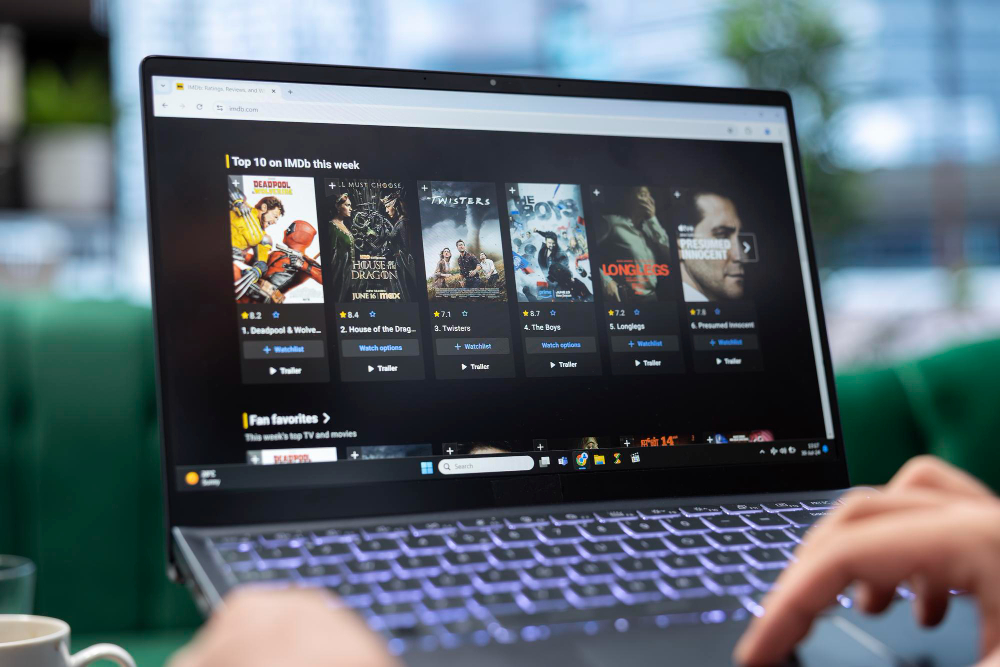
Streaming consumption across the United Arab Emirates has reached a critical tipping point. High-speed 5G network penetration, elevated smart device usage, and shifts in regional media consumption have transformed video streaming from an emerging channels strategy into a core revenue driver. For media networks, telecommunications operators, and sports rights holders operating across Dubai, Abu Dhabi, Sharjah, Al Ain, and Ras Al Khaimah, building an enterprise-grade streaming pipeline requires far more than basic video player integration.
Architecting an enterprise streaming app demands high-concurrency cloud infrastructure, multi-DRM key management, localized dynamic ad insertion (DAI), and seamless billing integration with regional telecom billing ecosystems. Partnering with a specialized OTT platform development company UAE enables media businesses to bridge complex video engineering with sustainable monetization models.
This guide delivers an architectural and strategic blueprint for executing OTT Development UAE projects. It covers platform selection, cloud infrastructure, revenue modeling, multi-tier security, and real-world system integrations tailored to the GCC broadcast environment.
Enterprise Landscape of OTT Development in the UAE
The UAE digital media sector presents distinct operational conditions compared to Western markets. Streaming providers in Dubai and Abu Dhabi serve a multi-lingual, highly mobile demographic that demands low-latency delivery, high visual quality (4K HDR), and frictionless payment workflows.
+-----------------------------------------------------------------------+
|                       UAE OTT Ecosystem Drivers                       |
+------------------------------------+----------------------------------+
|      Technical Infrastructure      |        Market Demographics       |
|  • Near 100% 5G network coverage   |  • High mobile-first consumption |
|  • Ultra-low latency requirements  |  • Multi-lingual (Arabic/English)|
|  • Local cloud availability zones  |  • Micro-payment preferences     |
+------------------------------------+----------------------------------+
Key Drivers Shaping Regional Streaming
- Hyper-Connected Audiences: With nationwide 5G infrastructure, viewers expect sub-second startup times and zero buffering during high-demand events.
- Complex Monetization Expectations: Platform operators must support multi-currency checkouts, credit cards, local e-wallets, and Direct Carrier Billing (DCB) with telecom partners like e& and du.
- Content Security Requirements: Premium live sports and exclusive Ramadan drama series mandate studio-grade encryption to protect high-value broadcasting rights against regional restreaming piracy.
Achieving success in this environment requires establishing a solid OTT Business Plan that balances cloud infrastructure costs against expected subscriber lifetime value (LTV).
Platform Architecture: Building vs. Customizing White-Label Engines
When planning an enterprise deployment, platform architects must choose between custom ground-up development and customizing proven platform engines.
Ground-Up Enterprise Custom Development
Building a custom platform via microservices allows complete ownership of the source code, custom player pipelines, and specialized database schemas. This approach fits large-scale telecom operators and tier-1 media networks with dedicated engineering resources.
Turnkey Platforms & White-Label Frameworks
Deploying White Label OTT Solutions significantly accelerates market launch while reducing initial capital expenditure. Modern modular platforms provide pre-built cross-platform applications (iOS, Android, Apple TV, Android TV, Samsung Tizen, LG WebOS) while exposing open APIs for backend custom integrations.
Media enterprises seeking to create your own OTT platform often adopt a hybrid approach: leveraging a established core engine while building proprietary front-end applications and specialized analytics pipelines.
Strategic Engineering Breakdown: Core Architectural Components
An enterprise video ecosystem consists of modular, loosely-coupled components connected via high-throughput REST and gRPC APIs.
+---------------------------------------------------------------------------------+
|                            Enterprise OTT Architecture                          |
+---------------------------------------------------------------------------------+
| [Ingestion / Transcoding] -> [Video CMS & Assets] -> [Multi-DRM & License Keys] |
|                                       |                                         |
|                                       v                                         |
|  [Playback Apps / Apps] <- [CDN Edge Distribution] <- [Ad Server / Monetization]|
+---------------------------------------------------------------------------------+
1. Ingestion, Transcoding, and Packaging
- Adaptive Bitrate Streaming (ABR): Source streams must be encoded into multiple ladder profiles (H.264/AVC, H.265/HEVC, AV1) and packaged into HLS and DASH formats.
- Dynamic Packaging: Utilizing real-time packagers like AWS Elemental MediaPackage or unified origin servers allows single-ingest source files to be packaged dynamically into HLS for Apple ecosystems and DASH for Android and web.
2. Video Content Management System (CMS)
The media orchestrator acts as the command center for content workflows. A high-performance Video CMS handles metadata tagging, localized multi-audio tracks, subtitling (VTT), asset scheduling, and access control. Integrating enterprise-grade Video Content Management Systems ensures efficient media management across large VOD catalogs and live channel schedules.
3. Content Delivery Networks (CDNs) & Multi-CDN Strategy
Single-CDN topologies introduce risk during high-traffic broadcast events. Deploying a multi-CDN strategy with real-time switching (combining edge networks like Akamai, Cloudflare, and local Middle Eastern CDN pops) guarantees low latency and continuous uptime across Dubai, Sharjah, and regional GCC centers.
Revenue Models: Optimizing Monetization for Middle Eastern Viewers
Selecting the right commercial framework directly impacts subscriber retention and platform profitability. Most successful UAE streaming services deploy hybrid monetization mechanics.
                       +-----------------------------------+
                       |    Hybrid Monetization Stack      |
                       +-----------------+-----------------+
                                         |
         +-------------------------------+-------------------------------+
         |                               |                               |
         v                               v                               v
    +---------+                     +---------+                     +---------+
    |  SVOD   |                     |  AVOD   |                     |  FAST   |
    | High-end|                     |Ad-supported|                  |Linear   |
    | VOD &   |                     | free/tier|                    | ad-based|
    | Live    |                     | access  |                     | streams |
    +---------+                     +---------+                     +---------+
1. Subscription Video on Demand (SVOD)
Offers ad-free, premium VOD access for a recurring fee. In the UAE market, integrating localized payment solutions (Apple Pay, Google Pay, credit cards, and local direct carrier billing) is essential for maintaining low churn rates.
2. Ad-Supported Video on Demand (AVOD) & Server-Side Ad Insertion (SSAI)
AVOD monetization relies on delivering targeted video ads without impairing the playback experience. Utilizing Server-Side Ad Insertion (SSAI) stitches advertisement segments directly into the manifest stream at the cloud origin level, bypassing client-side ad-blockers and eliminating visual buffering between ad pods.
3. Free Ad-Supported Streaming TV (FAST)
FAST channels combine linear broadcast scheduling with digital ad delivery. Media owners in the UAE leverage FAST channels to monetize archival content libraries via automated ad placements.
Partnering with experienced advisors for specialized OTT Consulting Services enables content owners to select and implement appropriate revenue stack configurations. Additionally, integrating tailored OTT Monetization Services helps maximize yield per impression (eCPM) while maintaining low subscriber drop-off rates.
Platform Comparison: Custom Engineering vs. White-Label Platforms
Selecting between custom development and a white-label deployment depends on budget, time-to-market constraints, and internal engineering resources.
| Capability / Metric | Custom Microservices Development | White-Label / Modular Platform Engine |
| Time to Market | 9 – 18 Months | 2 – 4 Months |
| Initial Capital Expenditure | High ($150k – $500k+) | Low to Moderate ($20k – $60k) |
| Source Code Ownership | 100% Owned | Licensed / SaaS |
| Scalability Mechanics | Custom Auto-scaling Groups | Pre-Architected Cloud Infrastructure |
| Third-Party Integrations | Custom-built API Connectors | Pre-Integrated Middleware & Plugins |
| Maintenance & Patching | Internal DevOps Team Required | Managed Platform Provider |
| Custom UI/UX Flexibility | Unlimited | Configurable Design Frameworks |
Security Framework: Multi-DRM, Geo-Blocking, and Anti-Piracy Stack
Securing digital video rights across multi-device ecosystems requires an integrated security framework. Single-DRM configurations are insufficient because modern web browsers, mobile operating systems, and smart TV platforms enforce distinct decryption specifications.
                      +-------------------------------------+
                      |    Unified Multi-DRM Engine         |
                      +------------------+------------------+
                                         |
         +-------------------------------+-------------------------------+
         |                               |                               |
         v                               v                               v
+------------------+           +------------------+           +------------------+
| Google Widevine  |           |  Apple FairPlay  |           | Microsoft        |
| (Android, Chrome)|           |  (iOS, Safari,   |           | PlayReady        |
|                  |           |   Apple TV)      |           | (Smart TVs, Edge)|
+------------------+           +------------------+           +------------------+
1. Studio-Grade Multi-DRM Deployment
Implementing comprehensive Digital Rights Management involves deploying three core DRM technologies simultaneously:
- Google Widevine Modular (L1/L3): Targets Android platforms, Chrome browsers, and Android TV units.
- Apple FairPlay Streaming: Secures HLS streams across iOS, iPadOS, macOS, and Apple TV hardware.
- Microsoft PlayReady: Protects DASH streams on Smart TV ecosystems (Samsung Tizen, LG WebOS) and Windows environments.
Architecting a unified key management server using specialized Digital Rights Management Software simplifies license acquisition flows. It ensures smooth key delivery while protecting against screen recording and stream extraction. Platforms upgrading older legacy protection systems must execute a seamless OTT DRM Replacement strategy to prevent service interruptions for active app subscribers.
For a deeper dive into token verification and key rotation mechanisms, review the guide on deploying Multi DRM environments across mixed device networks.
2. VPN Detection, Proxy Blocking, and Geo-Fencing
Territorial content licensing mandates strict regional access controls. Integrating IP intelligence databases (such as Digital Element) allows streaming platforms to detect and block access attempts originating from VPNs, open proxies, and TOR nodes across Dubai, Abu Dhabi, and international locations.
3. Dynamic Watermarking & OWASP Application Hardening
- Forensic Session Watermarking: Embeds unique viewer IDs, IP addresses, and timestamps into the video playback buffer, allowing security teams to trace unauthorized restreaming sources within seconds.
- Application Layer Hardening: Building backend APIs in accordance with OWASP Top 10 standards prevents SQL injections, unauthorized API access, and token theft across application endpoints.
Real-World Use Cases in the UAE Market
Use Case 1: Regional Sports Broadcaster – Live Event Scaling
- Objective: Stream high-demand live tournament matches to thousands of concurrent viewers across Abu Dhabi and Dubai with sub-3-second end-to-end latency.
- Solution Architecture: Deployed an auto-scaling ABR encoding pipeline combined with dynamic multi-CDN switching and token-based player authentication.
- Outcome: Achieved stable 4K delivery with 99.99% uptime during peak concurrent viewer spikes, protected by dynamic session watermarking.
Use Case 2: Media Publisher – Enterprise VOD Migration
- Objective: Migrate a legacy content catalog into a modern, multi-device streaming platform featuring localized payment options.
- Solution Architecture: Implemented a unified system leveraging a modular framework alongside an enterprise Video CMS, integrating direct carrier billing with local UAE telecom operators.
- Outcome: Reduced subscriber onboarding friction, achieving a 35% increase in monthly conversion rates within 90 days of launch.
Best Practices & Expert Recommendations
Building scalable streaming services requires adhering to proven engineering principles:
- Prioritize Low-Latency Infrastructure: Utilize Low-Latency HLS (LL-HLS) or Low-Latency DASH for live sports broadcasts to keep stream delays under three seconds.
- Decouple Front-End Applications from Backend Logic: Implement a Headless API-first architecture. This isolates client application updates on iOS or Smart TVs from backend microservices modifications.
- Plan for Complex Middleware Integration: Executing a successful project requires navigating multi-tier system workflows. Review the guidelines on OTT System Integration to unify billing gateways, analytics engines, and recommendation vectors.
- Leverage Telecom Distribution Alliances: Increase subscriber penetration across the GCC by exploring structured distribution strategies like OTT Bundling Models with major regional telecom operators.
- Monitor Quality of Experience (QoE) Metrics: Monitor key performance indicators—such as Video Start Time (VST), Rebuffer Rate, and Bitrate Switching Frequency—using real-user measurement (RUM) tools to optimize viewer retention.
Frequently Asked Questions (FAQs)
1. What is the typical timeframe for launching an enterprise OTT platform in the UAE?
A custom microservices platform typically requires 9 to 18 months of engineering. Conversely, deploying a modular platform built on established engines like Vodistry by ARYtech allows media operators to go live within 60 to 90 days.
2. Why is Multi-DRM required for streaming services in the Middle East?
Using a single DRM protocol leaves platforms vulnerable or incompatible across device ecosystems. Widevine protects Android and Chrome, FairPlay covers Apple hardware, and PlayReady supports Smart TVs. Deploying all three ensures complete coverage without playback failures.
3. How does Server-Side Ad Insertion (SSAI) differ from Client-Side Ad Insertion (CSAI)?
CSAI requests ads from the user’s device, making it vulnerable to ad-blockers and causing visual buffering between ad pods. SSAI stitches ads directly into the video stream manifest at the cloud level, delivering a smooth, broadcast-like viewing experience.
4. What payment gateways are recommended for UAE streaming services?
Platforms operating in Dubai, Abu Dhabi, and the wider UAE should integrate credit card processing (Visa, Mastercard), digital wallets (Apple Pay, Google Pay), and Direct Carrier Billing (DCB) through regional partners like e& and du.
5. How can OTT operators prevent illegal restreaming of live sports events?
Operators should combine multi-DRM encryption, dynamic session watermarking, real-time token validation, and IP intelligence tools to detect and block VPNs, proxies, and unauthorized restreaming origins.
6. What is the difference between SVOD, AVOD, and FAST models?
SVOD relies on recurring subscription fees for ad-free access. AVOD offers free or lower-cost access supported by targeted ad breaks. FAST delivers scheduled, linear streaming channels monetized entirely through dynamic ad insertion.
7. How does a multi-CDN strategy improve streaming quality?
A single CDN can encounter regional congestion or outages during high-traffic events. A multi-CDN architecture dynamically routes viewer traffic to the best-performing network in real time, minimizing buffering and latency.
8. Can an existing OTT app upgrade its DRM protection without taking services offline?
Yes. By deploying a dual-key packaging workflow during migration, active video streams and VOD catalogs continue playing without interruption while client apps switch smoothly to the updated licensing gateway.
Final Architecture Verdict & Next Steps
Building a successful streaming enterprise across the UAE requires balancing technical performance, robust content security, and localized user experiences. As audience preferences shift toward high-definition content, low-latency live streams, and flexible payment options, platform owners must invest in scalable infrastructure built for growth.
Whether you are launching a new streaming application or modernizing an existing legacy system, partnering with specialized engineers ensures your platform delivers high-quality playback across every screen. Explore specialized industry solutions through ARYtech and review modern platform options like Vodistry to build a secure, high-concurrency OTT Streaming Services ecosystem across Dubai, Abu Dhabi, and the broader GCC region.