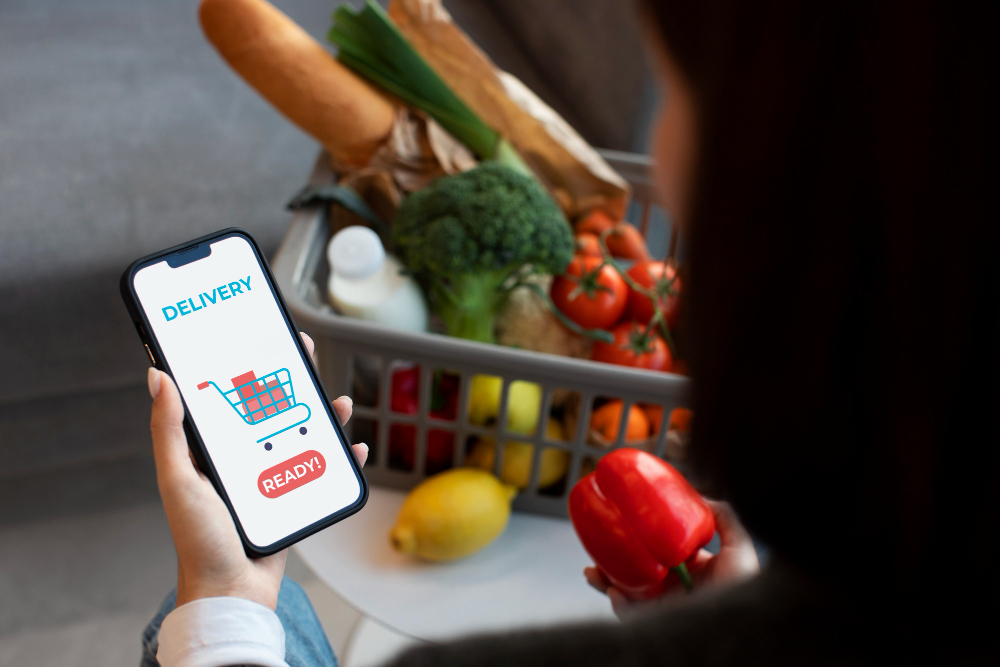
The global retail landscape has experienced a massive shift. The days of consumers wandering down grocery aisles, comparing price tags manually, and waiting in long weekend checkout lines are rapidly being replaced by a digital-first economy. The global online grocery market has surged past $790 billion, fueled by the explosive growth of ultra-fast “quick commerce” models and smart, scheduled home delivery networks.
For supermarket chains, local independent grocers, and digital aggregators, launching a mobile platform is no longer just a trend—it is a critical requirement to protect market share. However, transitioning a brick-and-mortar inventory system into a fast, high-volume on-demand app is highly complex.
Partnering with an experienced grocery delivery app development company allows businesses to build stable, production-grade applications that can smoothly manage real-time stock counts, optimize driver route maps, and deliver a seamless shopping experience directly to consumers’ doors.
1. The Core Architecture: The Four Implicit Connected Apps
A common mistake made by first-time retail founders is assuming that grocery delivery app development only requires building a single consumer-facing interface. In reality, a production-grade grocery ecosystem requires an interconnected network of four distinct software panels, all communicating simultaneously via secure API channels:
┌────────────────────────────────────────────────────────┐
│        The Interconnected Grocery App Ecosystem        │
├────────────────────────────────────────────────────────┤
│   [Consumer App]   ──> Browsing, AI Lists, Payments    │
│         ▲                                              │
│         ▼                                              │
│   [Store/Picker App]──> Real-Time Picking & Substitutes │
│         ▲                                              │
│         ▼                                              │
│   [Driver App]     ──> Batch Dispatch & Route Planning │
│         ▲                                              │
│         ▼                                              │
│   [Admin Panel]    ──> ERP Sync, Analytics, Out-of-Stock│
└────────────────────────────────────────────────────────┘
The Consumer Application
The storefront must focus entirely on speed and conversion. It features personalized product catalogs, advanced semantic search bars, smart re-ordering widgets, coupon validation engines, and secure digital payment gateways (including Apple Pay, Google Pay, and localized mobile wallets).
The Merchant / Picker Application
Once an order is confirmed, it routes instantly to the localized store or “dark store” picker app. This screen provides retail workers with optimized, aisle-by-aisle picking pathways to reduce item gathering times. It also includes barcode scanning validation to prevent item mix-ups and smart substitution logic to contact users in real time if an item is out of stock.
The Delivery Driver Application
The driver app coordinates the last-mile logistics layer. It includes instant order dispatch alerts, proof-of-delivery (PoD) capture methods (such as signatures or photos), and automated, multi-stop route optimization engines that guide couriers along the fastest paths to save fuel and meet delivery windows.
The Centralized Admin & Super-Admin Dashboard
The brains of the entire operation. This cloud-native command center connects with existing store Enterprise Resource Planning (ERP) mainframes and Point of Sale (POS) systems. It gives administrators full visual control over localized pricing, real-time inventory adjustments, rider dispatch rates, and live marketing campaign tracking.
2. Advanced Features Dominating the Grocery Landscape
As consumer habits evolve, basic template apps are failing to retain active users. Top-tier development companies prioritize several advanced features during the engineering phase to ensure your product stands out in a crowded market:
- Predictive AI Shopping Lists: Integrating machine learning algorithms that analyze a household’s past purchase history, family size, and seasonality. The app automatically flags when pantry staples like milk, bread, or fresh produce are likely running low, nudging the user with a tailored, click-to-reorder reminder block.
- Real-Time Hyperlocal Inventory Sync: Traditional e-commerce platforms can tolerate delayed inventory syncs, but a grocery platform cannot. If a customer orders the last carton of organic strawberries, that item must update across the vector catalog in milliseconds to prevent order friction and frustrating post-purchase cancellations.
- Cold-Chain Logistics Monitoring: For apps managing fresh meat, seafood, and dairy products, safeguarding freshness is a legal compliance necessity. Advanced logistics backends track time-stamped delivery checkpoints and temperature logs, ensuring fresh goods move through temperature-controlled steps smoothly.
- Smart Subscription & Basket Bundles: Allowing consumers to build customized recurring subscription loops (e.g., auto-delivering a “Weekly Family Essentials Pack” every Sunday morning). This feature secures predictable recurring revenue streams for the merchant while maximizing user retention.
3. Developing the Infrastructure: Costs vs. Timelines
Developing custom grocery delivery platforms requires a planned, milestone-driven investment approach. The ultimate timeline and cost scale are heavily influenced by the complexity of your business model (single-store vs. marketplace aggregator) and your choice of development stack.
| Development Type | Structural Scope & Capabilities | Average Timeline | Average Budget Range (USD) |
| Basic MVP Platform | Single store, basic search, essential checkout, manual dispatch. | 3 – 5 Months | $40,000 – $75,000 |
| Mid-Market Ecosystem | Multi-store aggregation, live GPS tracking, automated payment splits. | 6 – 9 Months | $90,000 – $180,000 |
| Enterprise Dark Store App | Ultra-fast delivery, micro-fulfillment API links, AI-driven sorting loops. | 9 – 12+ Months | $200,000 – $400,000+ |
Protecting Capital with Cross-Platform Frameworks
To avoid the steep financial barrier of building two completely separate applications from scratch using native languages (Swift for iOS and Kotlin for Android), premier engineering groups rely on modern cross-platform frameworks like Flutter or React Native. This approach allows developers to write a single, unified codebase that operates flawlessly across both major mobile operating systems—slashing initial development costs and future code maintenance overhead by up to 40%.
Frequently Asked Questions (FAQs)
What is the primary cause of operational failure for new grocery delivery apps?
The most common cause of failure is a lack of real-time inventory synchronization. If your application allows customers to purchase items that are physically out of stock on store shelves, your fulfillment teams will face continuous cancellation and substitution bottlenecks, leading to poor customer reviews and rapid user churn. Connecting a robust, low-latency API bridge to your physical store’s backend inventory manager is critical to long-term success.
How can a grocery platform monetize its app beyond standard delivery fees?
Modern grocery apps leverage multiple profitable revenue generation streams:
- Commission-Sharing: Charging partner retail merchants a percentage fee for every order routed through the platform marketplace.
- Premium Subscriptions: Offering users monthly memberships (similar to Instacart+ or DashPass) that unlock free delivery and exclusive item discounts.
- Retail Media Networks: Allowing consumer product goods (CPG) brands to purchase sponsored search slots and banner ads within your catalog to feature their products at the top of relevant user searches.
Can our app integrate directly with our store’s old legacy POS software?
Yes. Experienced grocery delivery app development companies can engineer custom API middleware wrappers that connect modern mobile interfaces with legacy Point of Sale (POS) environments and warehouse inventory mainframes. This allows your business to sync stock logs, barcode schemas, and pricing data dynamically without needing to invest in replacing your physical store IT systems.
Should our business build an on-demand quick commerce model or a scheduled delivery app first?
For most established grocery chains and early-stage startups, launching a scheduled delivery model first is highly recommended. On-demand quick commerce (promising 15-to-30-minute turnarounds) requires an incredibly dense, asset-heavy network of urban dark stores and dedicated courier fleets, which can burn through capital quickly if order density isn’t consistently high. A scheduled model balances logistics costs with customer convenience, allowing you to optimize delivery routes and build basket sizes far more profitably.
Leave a Reply